Why I built it
I built Coach for my own training. My workout log never coached, food trackers didn't know a katori of dal, and my recovery data sat in a watch app that talked to neither.
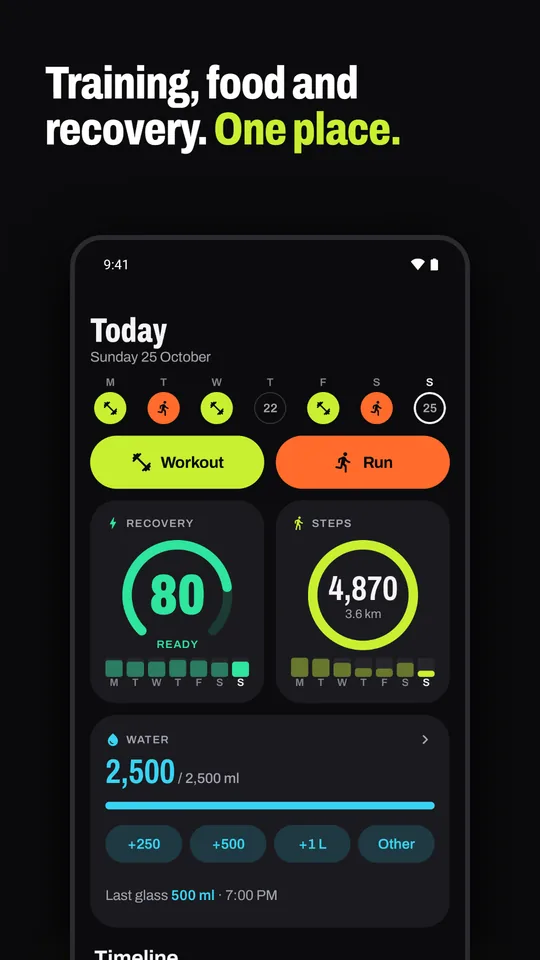
Coach puts it all in one place and says what to do next.
What I believe
Hooked on progress, not on the app. Rest days are training too.
Every number the coach says comes from your data. It gives options, not orders.
What it does
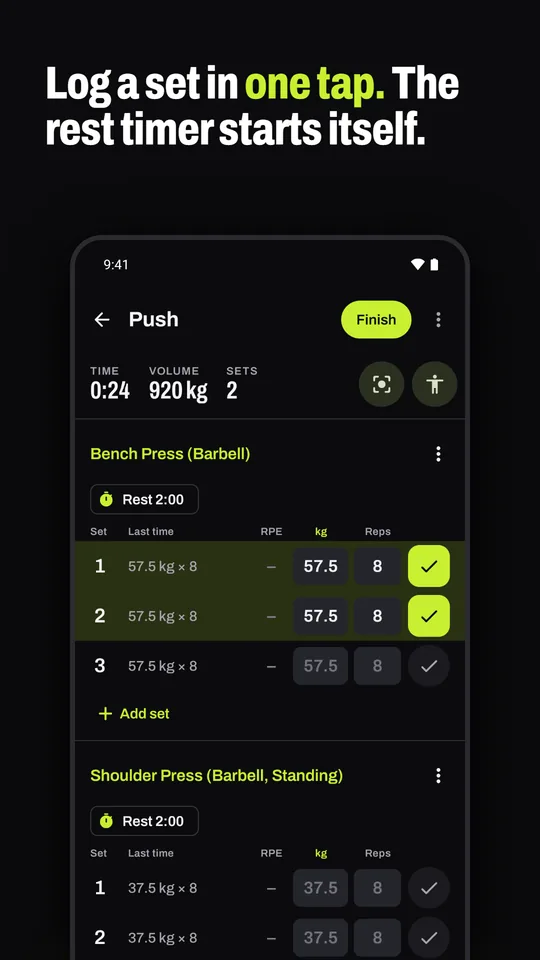
Workouts with RPE, supersets, routines and a rest timer, across 885 exercises.
GPS runs with spoken splits.
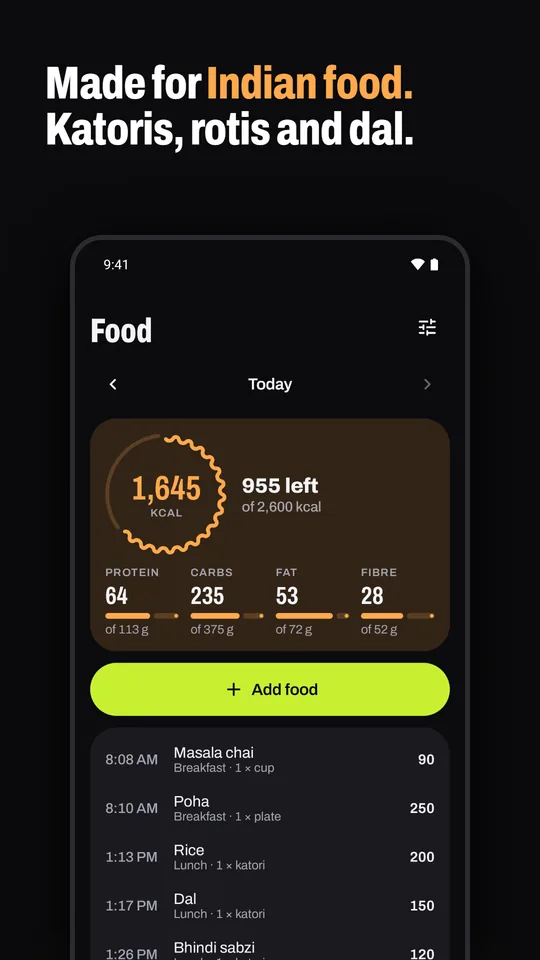
Food logging made for Indian food: about 150 dishes, in katoris and rotis.
A recovery score from your watch's sleep, HRV and resting heart rate.
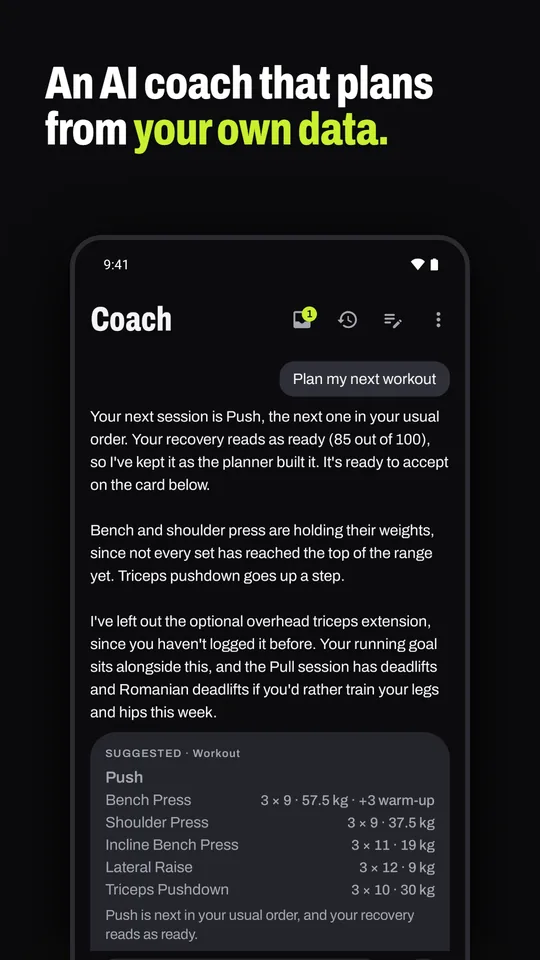
An AI coach that plans your next session, logs food from a photo and builds programmes.
The details
The coach screen is a call sheet, not a chat: no bubbles, charts inline, and a ticker showing what it's reading.
Focus mode for the gym floor: one exercise, one big rest timer, one button.
No page transitions.
I cut a daily "today's call" because it was wrong more often than right.
How it's built
Native Kotlin and Jetpack Compose, offline first, synced to Supabase.
The coach runs on Claude Haiku, with 24 tools over your data and the tool loop on the phone.
The model never types a number. It writes placeholders the app fills in from your data. On my 50-case test set Sonnet scored slightly higher at fifteen times the cost, so Haiku runs everything.
Pregnancy, under-18s and eating-disorder signals get fixed answers from the app, not the model.
Over 1,000 unit tests. AI coding tools helped along the way.
Where it is now
Closed testing on Google Play is next.